Jump to content

Approach

Research at the documenta institut follows two interwoven lines: a vertical line dedicated to reconstructing the documenta model in the evolution of its previous exhibitions, and a horizontal line that explores the exhibition model within the global art field. In both cases, the term “model” refers to a complex of statements, stagings, arrangements, inclusions, and exclusions that evolve, enrich, and reflect upon themselves from exhibition to exhibition, acting as a “traveling object” within the global network of major exhibitions. However, this also requires a historical in-depth exploration of the cultural technique of “exhibiting” prior to the modern presentations of contemporary art.

The documenta  Institut, in both its research and teaching formats, is an institute for global exhibition studies, focusing on the arts as a social phenomenon based on the practices and media of exhibiting. Approaching contemporary art through the lens of exhibitions serves two main purposes: on one hand, it acknowledges the fundamental fact that art only exists because it is exhibited; on the other, it enables a focus on phenomena and actors that extend beyond artists and artworks.

In its research, the documenta Institut  draws on the extensive collection of the documenta archiv, which offers a unique opportunity to trace a prominent contemporary art exhibition through its transformations and effects. This material, processed in the timeline, provides the institute with resources for research in two ways: it can be specifically examined and utilized, or it can serve as a source of inspiration for questions that arise from surprising discoveries and sudden insights.

The documenta Institut  conducts foundational research on the performative constitution of contemporary societies, tests hypotheses on modes of activation, and performs contemporary analysis through contemporary art exhibitions.
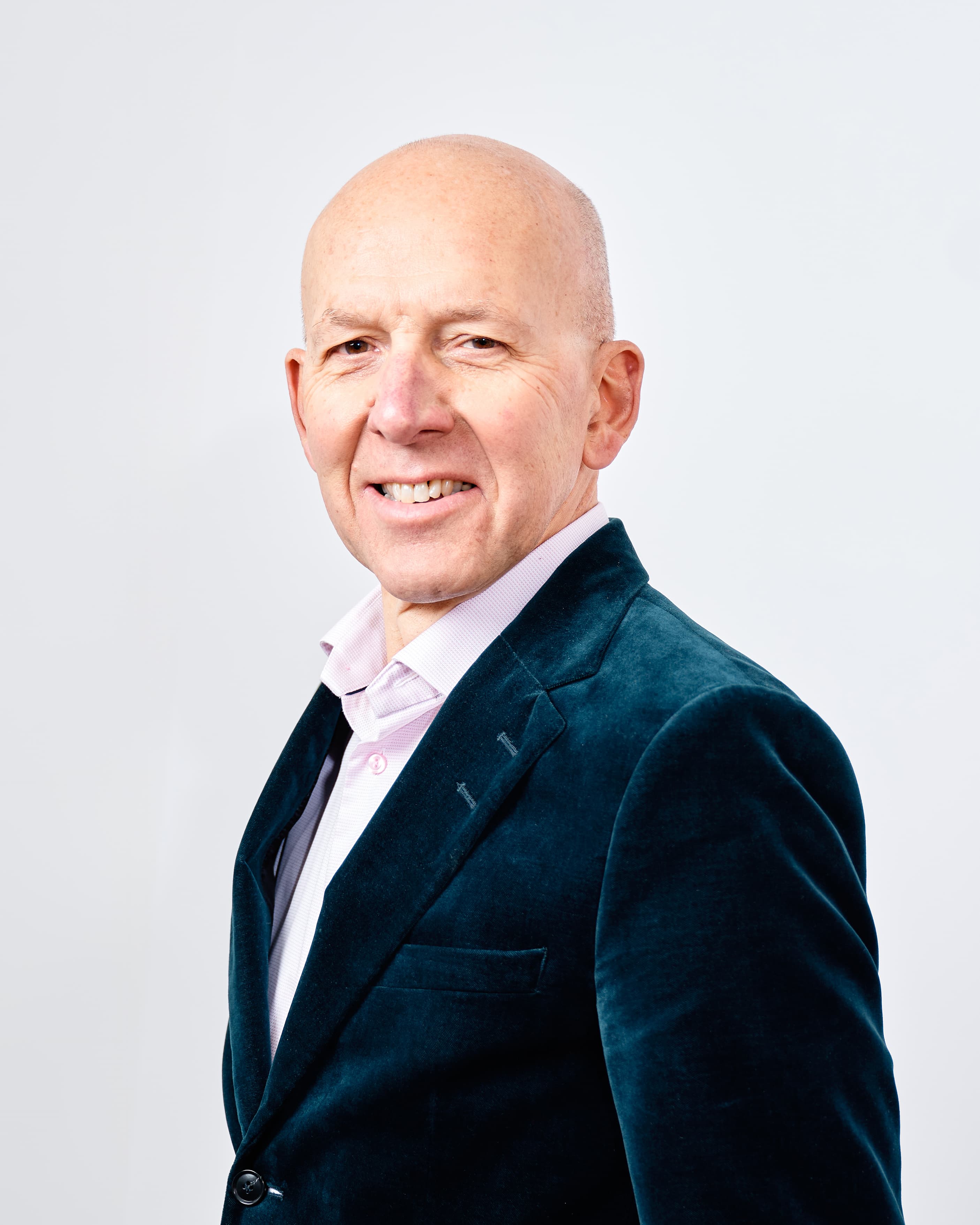
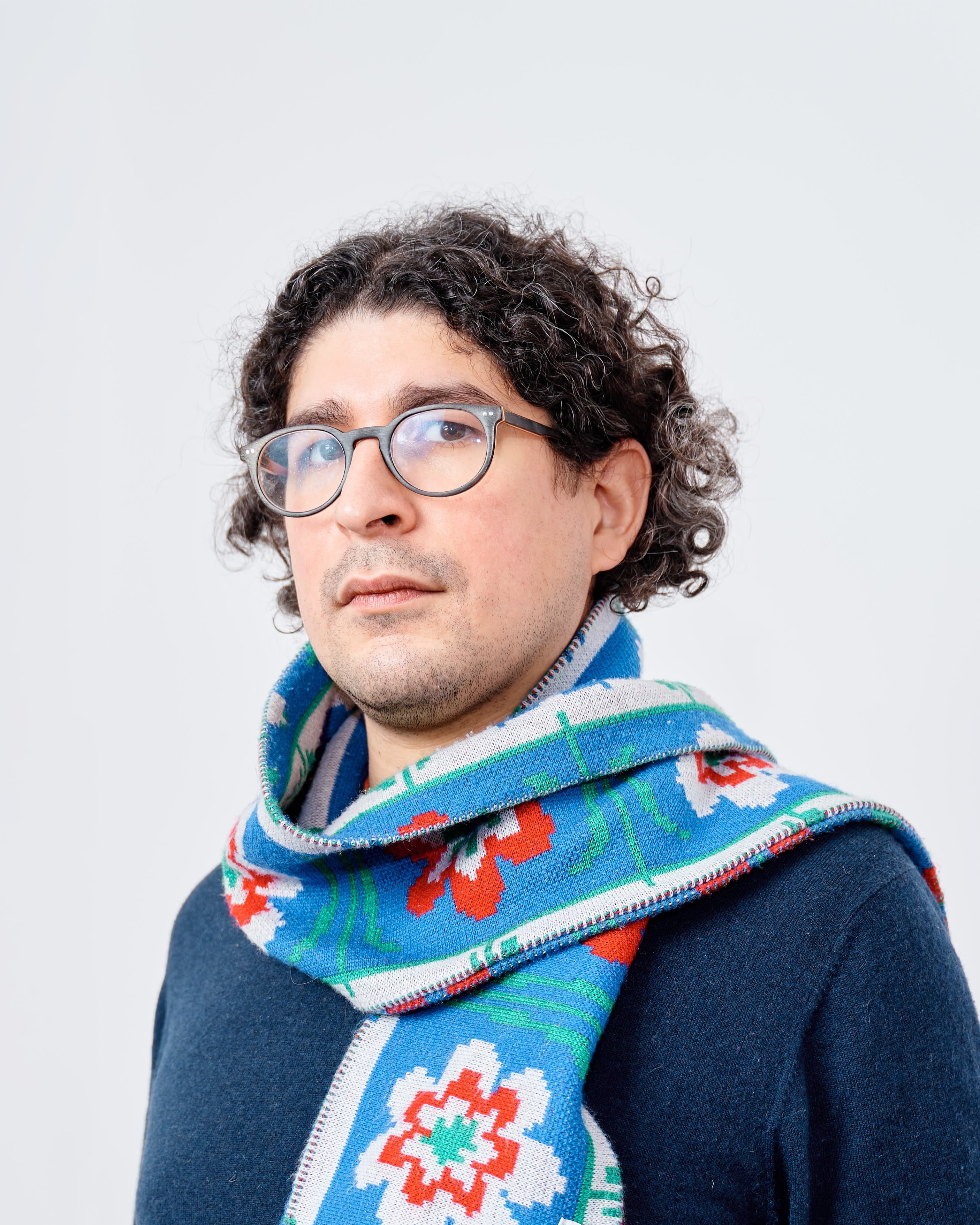
Researchers

Prof. (i.R.) Dr. Heinz Bude
Founding Director
Mateo Chacón Pino
Associated Researcher
Michael Flörchinger
 Managing Director
Prof. Dr. Liliana Gómez
Professorship "Art and Society"
Yulia Gromova
Associated Researchers
Max Grünberg
Research Fellow
Marius Kemper
Research Fellow
Dr. Gwendolin Lehnerer
Research Fellow
Dr. Maria Neumann
Research Fellow
Andreas Niegl
Associated Researcher
Linda Schiel
Scientific Associate
Prof. Dr. Felix Vogel
Professorship “Art and Knowledge”
Prof. Dr. Mi You
Professorship “Art and Economies”
Claire Valérie Zimmermann
Research Fellow

Projects and Cooperations

Ecosystems, NGO-ization and the Future of Community Art: A close study on documenta fifteen

A new DFG-funded project on documenta fifteen will launch at the research unit Art and Economies this summer. It will focus on ruangrupa’s lumbung concept as socially-engaged artistic practice in the Global South. Through an in-depth examination of infrastructures, organizational practices, and the conceptual positions of artists and collectives, the project aims to provide a well-founded analysis of documenta fifteen’s novel approach and its implications for the future of documenta, the global art world, and the role of art institutions in the Global North.

Ecosystems, NGO-ization and the Future of Community Art: A close study on documenta fifteen

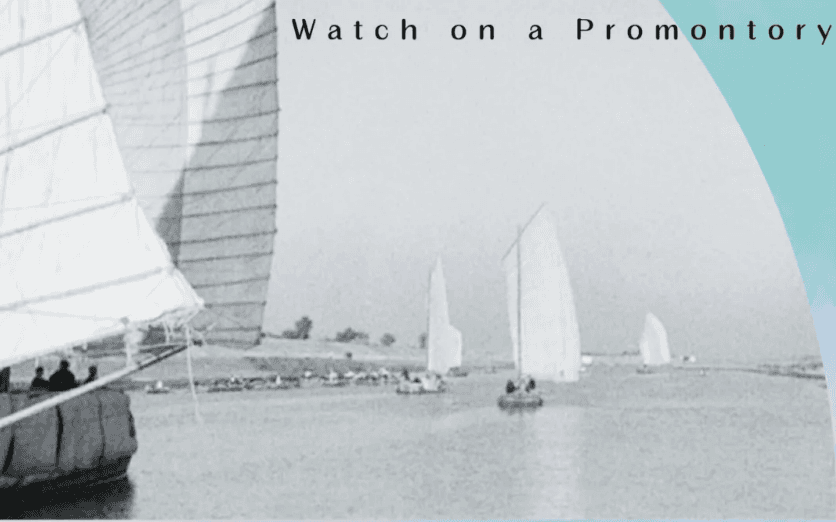
Watch on a Promotory: Internal and External Artistic Exchanges in East, Southeast, and South Asia in the 1950s-1980s

Bei dem Forschungsprojekt „Watch on a Promontory: Internal and External Artistic Exchanges in East, Southeast, and South Asia in the 1950s-1980s“ arbeiten unter der Federführung des Goethe-Instituts China diverse Goethe-Institute (Kolkata, Hanoi, Jakarta/Bandung, Kyoto, Manila, Mumbai und Seoul) zusammen. Das documenta Institut wird 2025 zum Abschluss des Projekts eine Konferenz in Kassel veranstalten und eine Publikation erstellen.

Watch on a Promotory: Internal and External Artistic Exchanges in East, Southeast, and South Asia in the 1950s-1980s

Dissertation Projects

The Distinction of Art and Nature. Temporal Epistemologies of Art History in Exhibitions

In recent decades, the ecological interest of art history has developed a well-founded understanding of the representation of ecological and environmental issues in works of art. Nevertheless, the question arises as to whether and how the concept of art constitutes the

The Distinction of Art and Nature. Temporal Epistemologies of Art History in Exhibitions